

Woodworking is a fulfilling hobby and profession, but it comes with hidden dangers—especially when it comes to fine wood dust. While a little sawdust might seem harmless, breathing it in can cause serious health problems over time. That’s why finding the best dust mask for woodworking isn’t just about comfort—it’s about protecting your lungs for the long haul.
In this article, we’ll walk through what to look for in a woodworking dust mask, what the best dust mask for woodworking with a beard is, and what the most comfortable dust mask for woodworking is. Finally, we’ll suggest top-performing options you can buy on Amazon today.
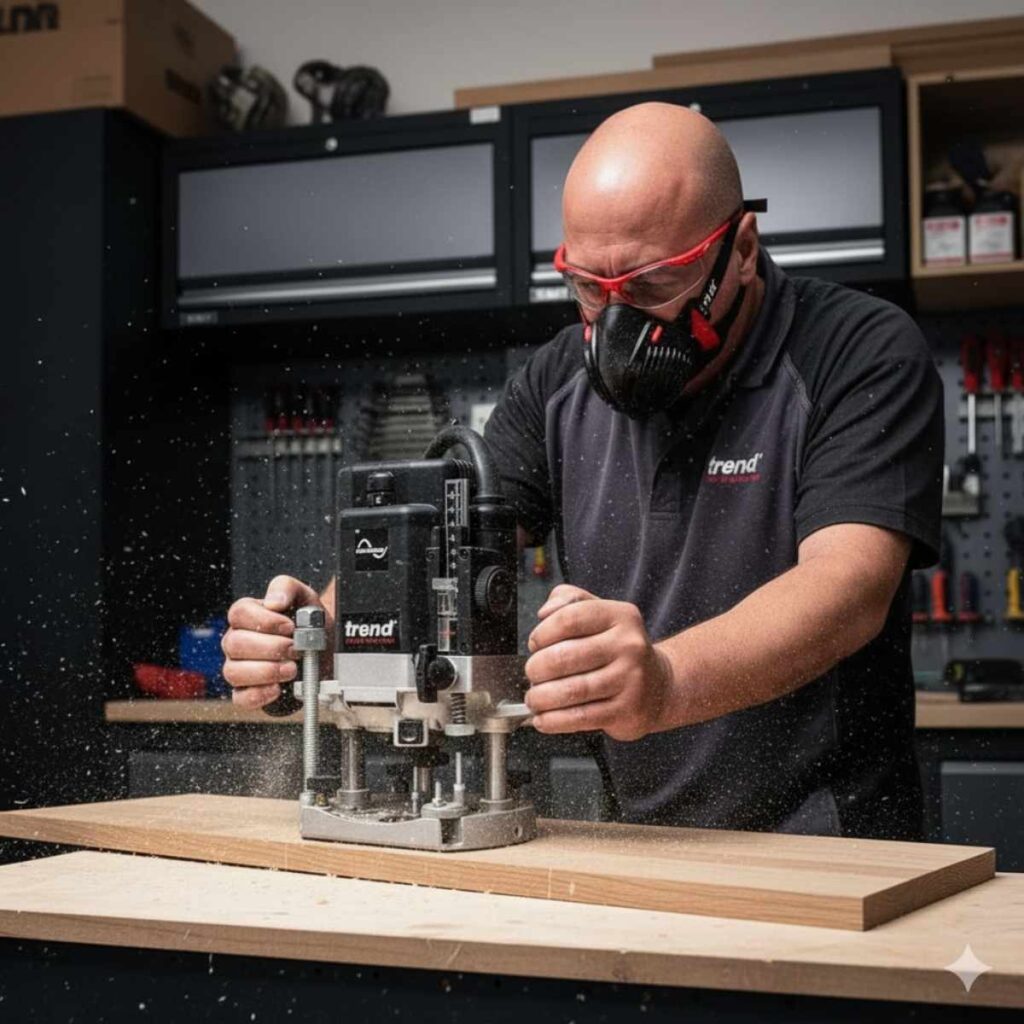
Why Woodworkers Need Dust Masks?
Wood dust is more than just an annoyance. Prolonged exposure can lead to respiratory problems, allergies, and even lung diseases like asthma or chronic bronchitis. Certain types of wood—like oak, mahogany, and teak—are known to cause more irritation than others. If you spend hours sanding, cutting, or routing wood, a dust mask is non-negotiable.
Why the Right Dust Mask Matters in Woodworking?
When you cut or sand wood, you generate fine particulate matter—including silica, hardwood dust, resins, and finishing product residues—which can penetrate deep into your lungs. Many woodworkers have noted that upgrading from a basic disposable mask to a true respirator made a noticeable difference in comfort and air quality.
A quality dust mask will:
- Provide a tight seal so air passes through the filter, not around your face.
- Use NIOSH-approved filtration (for example, N95 or better).
- Be comfortable for extended wear so you’ll actually keep it on.
- Be suitable for your specific task: general sanding vs paint finishing vs heavy-duty routing.
- Accommodate your individual features (e.g., glasses, beard) so you won’t end up breathing around a gap.
Types of Dust Masks for Woodworking
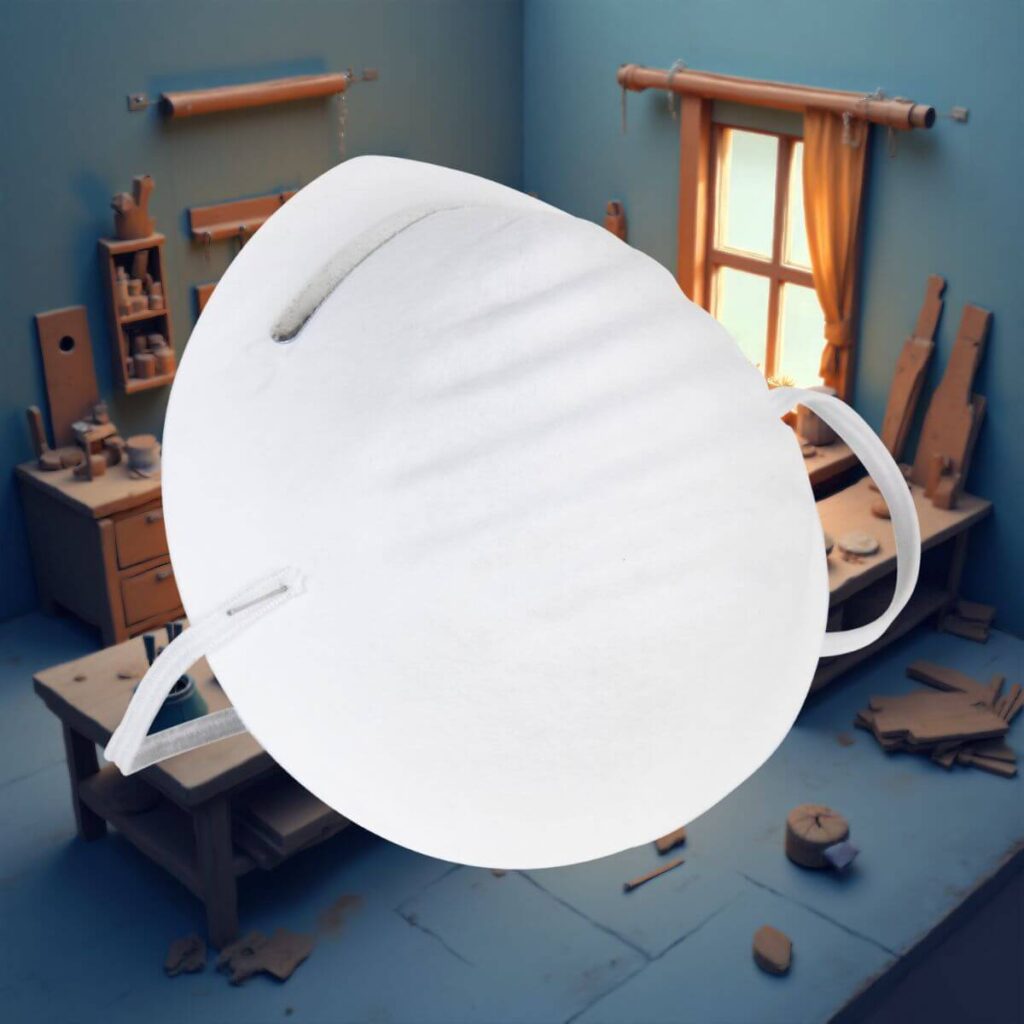
1. Disposable Masks
These are single-use masks, usually rated N95 or higher. They’re affordable and great for quick projects. However, they’re not suitable for long-term or professional use.
2. Reusable Respirators
These masks come with replaceable filters. They provide superior protection and long-term value for frequent woodworkers.
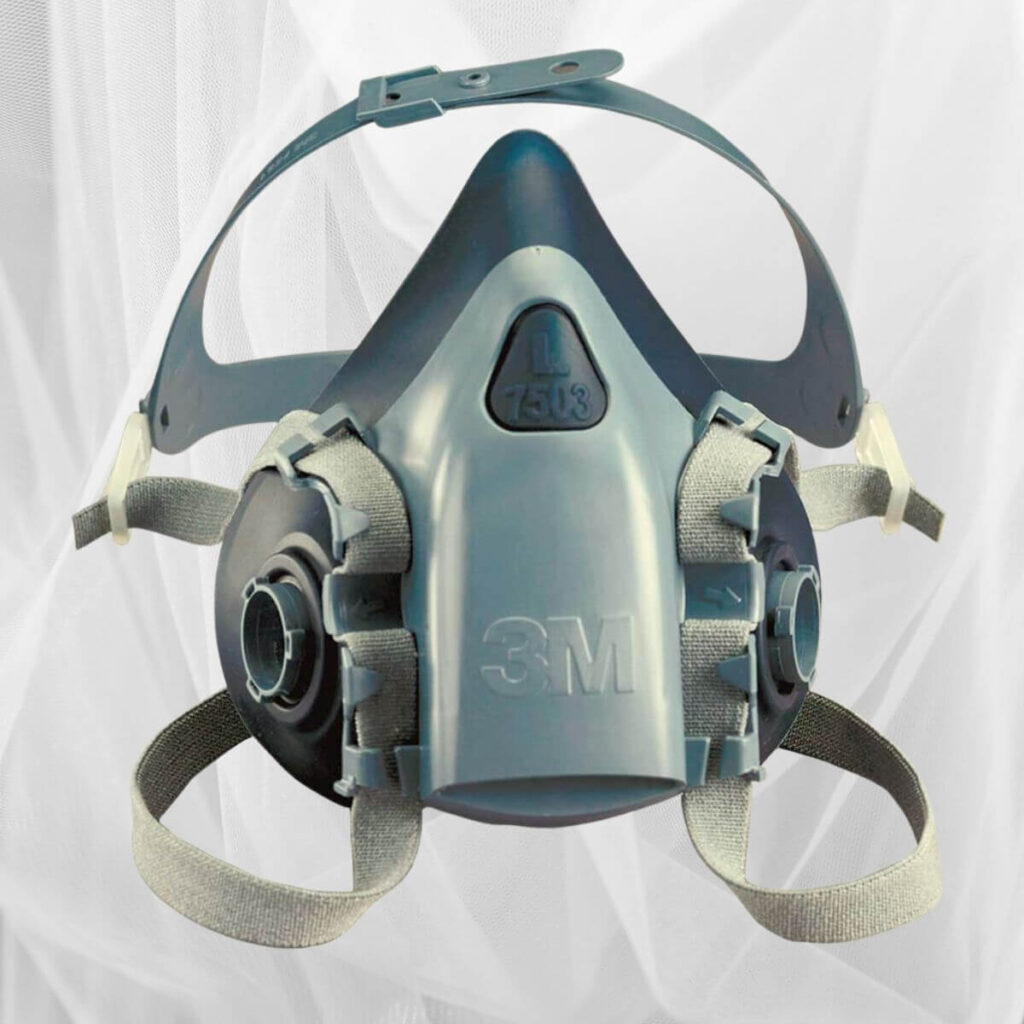
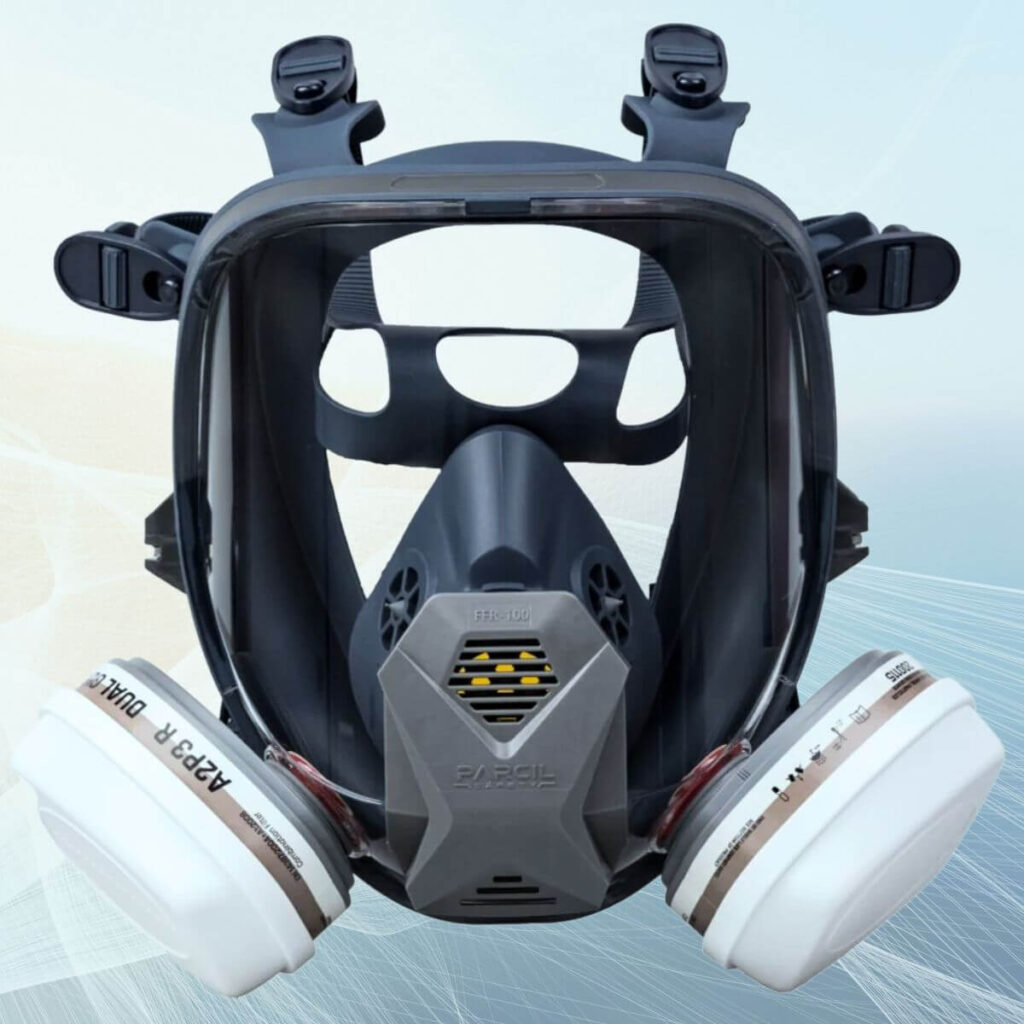
3. Half-Face vs Full-Face Masks
Half-face respirators cover your nose and mouth, while full-face models also protect your eyes. Full-face options are ideal if you often work with fine dust or chemicals.
Understanding Dust Mask Ratings
Dust masks come with ratings like N95, N99, and P100:
- N95: Filters 95% of non-oily particles.
- N99: Filters 99% of non-oily particles.
- P100: Filters 99.97% of both oily and non-oily particles.
The higher the number, the better the filtration. Always choose a mask certified by NIOSH (National Institute for Occupational Safety and Health) for guaranteed performance.
Key Features to Consider Before You Buy
Here are the critical specs and fit-factors to check, especially when comparing “3M dust mask for woodworking,” “reusable dust mask for woodworking,” “N95 dust mask for woodworking,” etc.:
1. Filtration Rating
- Look for N95, P100, or other particulate ratings that indicate the mask filters 95% or more of airborne particles.
- For finishes, paints or varnishes you may need filters that handle organic vapors—so check multi-cartridge systems.
2. Seal & Fit
- A full-face piece or half-face respirator will seal better than a disposable cup mask.
- If you have a beard, achieving a good seal is much harder—some experts recommend a Powered Air Purifying Respirator (PAPR) for beard wearers.
- Fit testing matters: even the best mask won’t protect you if there’s leakage.
3. Comfort and Wearability
- Look for masks with exhalation valves to reduce heat and moisture inside the mask.
- Adjustable straps and lightweight materials matter if you’ll wear the mask for hours.
- If you wear safety glasses or hearing protection, ensure the mask doesn’t interfere.
4. Reusable vs Disposable
- A reusable dust mask for woodworking (i.e., an elastomeric respirator) may cost more upfront, but you replace filters only, and you’ll often get better protection and comfort.
- A disposable N95 dust mask for woodworking is fine for light use but may not offer the seal, comfort, or filtration needed for heavy sanding or spray finishing.
5. Extra Considerations: Full Face, Beard-Friendly, Application Fit
- For tasks involving a “woodworking dust mask full face,” a full-face respirator gives eye protection too and may integrate hearing protection and shields.
- For beard wearers, look for systems rated for bearded faces—or consider trimming/shaving to get a proper seal.
- For heavy-duty tasks like “sawdust respirator,” consider cartridges rated for fine dust, not just coarse chips.
Top Features to Look For
When buying a dust mask, don’t just grab the cheapest option. Look for:
- High Filtration Efficiency: Preferably N99 or P100-rated.
- Comfort & Fit: Soft materials, adjustable straps, and nose clips.
- Exhalation Valve: Reduces heat and moisture buildup.
- Breathability: Essential for long working sessions.
- Durability: Especially for reusable masks with replaceable filters.
Best Dust Masks for Woodworking (2025 Picks)
Here are some of the top picks that meet the criteria above. Always check current availability, and ensure you buy from a trusted seller.
1. 3M Half Facepiece Reusable Respirator 6100 Series

This 3M Half Facepiece Reusable Respirator 6100 mask is built to last and designed for flexibility. You can easily attach different particulate filters and cartridges depending on your project. It’s also compatible with dual airline supplied air systems for professional use. The smart bayonet connection makes it simple to swap in 3M 6000 Series gas and vapor cartridges, giving you reliable protection against a wide range of dust, gases, and fumes. Perfect for woodworking tasks like sanding, sawing, routing, or finishing—this mask keeps your air clean no matter how dusty the job gets.
Why it’s good: Strong brand reputation; good seal; flexible to use with filters for woodworking plus painting; long-term cost effective (replace filters instead of whole mask).
Limitations: Higher upfront cost; needs maintenance (filters, cleaning); heavier/more complex than disposable.
Best for: Serious woodworkers, frequent users, multipurpose (wood + paint).
To Buy: Check price on Amazon
2. RZ Mask M2 Mesh Air Filtration Dust Mask

The RZ Mask M2 is a lightweight, reusable dust mask designed for serious comfort and protection. It comes with two powerful F1 filters, a convenient storage bag, and delivers best-in-class filtration with a full 360-degree seal around your face. Made from breathable mesh material, it stays cool and comfortable even during long woodworking or outdoor projects. The washable design means you can use it again and again without losing performance. Its F1 filters capture up to 99.9% of airborne particles as small as 0.1 micron, while dual one-way valves keep moisture out and airflow steady. Plus, the adjustable nose clip helps prevent your glasses from fogging—so you can focus on your work, not your mask.
Why it’s good: Lightweight, comfortable for general dust work.
Limitations: Some users report lesser seal or comfort compared to higher-end elastomeric options.
Reddit
Best for: Hobby woodworkers doing moderate sanding or cutting.
To Buy: Check price on Amazon
3. BASE CAMP M Plus Dust Mask

The BASE CAMP M Plus Dust Mask is a reusable, easy-to-breathe solution for everyday woodworking and shop work. It uses a 6-layer activated carbon filter system that traps fine dust, sawdust, and even fumes, giving you clean, fresh air with every breath. The ergonomic design fits naturally to your face, and its adjustable ear loops and nose clip ensure a secure, comfortable fit. Made from soft, breathable fabric, it feels light even during long hours in the shop. Washable, reusable, and eco-friendly—this mask delivers comfort, protection, and value all in one.
Why it’s good: Budget-friendly reusable option with decent filtration for everyday tasks.
Best for: DIYers, lighter shop work, sanding prep.
To Buy: Check price on Amazon
4. 3M N95 Respirator 8511

The 3M N95 8511 is a trusted, disposable respirator designed to keep fine sawdust and airborne particles out of your lungs. It’s lightweight, breathable, and built for comfort—making it perfect for quick sanding or cutting jobs in your woodworking shop. The Cool Flow™ exhalation valve helps release heat and moisture, keeping you cooler while you work. With its adjustable nose clip and secure dual straps, you get a snug, comfortable fit that stays in place. Ideal for hobbyists or DIYers who need reliable, no-fuss protection on demand.
Why it’s good: Low cost, easy to wear, useful as backup or for occasional use.
Limitations: Disposable; may not seal as well as reusable masks; not best for heavy dust or finishing work.
Best for: Occasional users, quick jobs, when you need something simple.
To Buy: Check price on Amazon
5. Trend Airshield Pro Full Faceshield Dust Protector

The Trend Airshield Pro is a premium full-face dust protector built for woodworkers, builders, and DIY enthusiasts who want maximum comfort and safety. Designed with a breathable, low-exhalation system, it keeps air flowing smoothly so you stay cool and comfortable, even during long projects. Its anti-fog design ensures clear vision for those who wear glasses—no misting, no frustration.
Offering full respiratory and facial protection, this shield covers a large filtration surface area to guard against harmful particles like sawdust, silica, concrete dust, plaster, and even oil aerosols. Made from non-allergenic, odor-free, latex- and silicone-free materials, it’s gentle on sensitive skin and perfect for extended use.
The real power comes from its advanced twin HEPAC filtration system, which captures up to 99.99% of airborne particles as small as 0.3 microns. The protective grill covers the entire filter surface, giving you consistent, high-efficiency filtration you can rely on. Ideal for woodworking, welding, painting, or general construction, the Trend Airshield Pro combines comfort, clarity, and serious protection—so you can focus on your craft, not your mask.
Best for: Full-shop setups, serious production, and users who also finish or spray.
To Buy: Check price on Amazon
Comparison Table of Top Dust Mask for Woodworking
Here’s a detailed comparison table of top dust mask / respirator options for woodworking, showing their key features, pros, cons and approximate price tiers. This is intended to help you pick the right protection for your shop.
| Product | Key Features | Pros | Cons | Best For | Price Tier* |
|---|---|---|---|---|---|
| 3M Half Facepiece Reusable Respirator 6100 Series | Reusable respirator with attachable filters and cartridges for dust, paint, or vapor protection. Bayonet connection for quick filter changes. Lightweight, durable, and perfect for sanding, sawing, or finishing. |
✔ Customizable filtration options ✔ Strong, reusable design ✔ Excellent seal and airflow ✔ Great for multiple woodworking tasks |
❌ Requires filter maintenance ❌ Slightly heavier ❌ Not ideal for beards |
Professional or frequent woodworkers needing multi-purpose protection | 💲💲 – Mid to High ($70–$150) |
| RZ Mask M2 Mesh Air Filtration Dust Mask | Lightweight reusable mask with F1 filters and mesh design for cool airflow. 360° seal, dual one-way valves, and fog-free adjustable nose clip. Captures 99.9% of fine particles. |
✔ Very comfortable and breathable ✔ Washable and reusable ✔ Great for light–medium woodworking ✔ Adjustable and fog-free |
❌ Not NIOSH certified ❌ Filters need replacement ❌ May not fully seal fine dust |
Hobbyists or part-time woodworkers | 💲 – Moderate ($30–$40) |
| BASE CAMP M Plus Dust Mask | Reusable mask with 6-layer activated carbon filtration. Soft, breathable fabric with adjustable loops for comfort. Eco-friendly, washable, and ideal for daily woodworking. |
✔ Soft and breathable ✔ Comfortable and adjustable ✔ Washable & reusable ✔ Great daily protection |
❌ Not for heavy-duty use ❌ Filters must be changed ❌ Not NIOSH-rated |
DIYers and casual woodworkers | 💲 – Budget ($25–$40) |
| 3M N95 Respirator 8511 / Aura 9205+ | Disposable NIOSH-approved N95 mask with Cool Flow™ valve for easy breathing and reduced heat. Adjustable nose clip and dual straps ensure a secure, comfortable fit. |
✔ Trusted brand, N95 certified ✔ Comfortable short-term use ✔ Affordable & easy to use ✔ Widely available |
❌ Single-use ❌ Less comfort long-term ❌ Not beard-friendly |
Occasional DIYers or light shop work | 💲 – Low ($1–$5 per mask) |
| Trend Airshield Pro Full Faceshield Dust Protector | Professional full-face respirator offering full respiratory & eye protection. Advanced twin HEPAC filters remove 99.99% of particles ≥0.3 microns. Anti-fog airflow, hypoallergenic build, and perfect for sensitive skin. |
✔ Full-face & lung protection ✔ Anti-fog and breathable ✔ Gentle on skin ✔ Superior filtration ✔ Great for long sessions |
❌ Premium cost ❌ Slightly heavier ❌ Requires charging |
Professional woodworkers needing max protection | 💲💲💲 – Premium ($300–$450) |
*Price tiers are approximate and may vary depending on region and filter configuration.
Which Dust Mask Should You Choose?
Choosing the best dust mask for woodworking depends on how often you work, the level of dust exposure, and how much comfort you want while wearing it.
- If you’re a professional woodworker or contractor, the Trend Airshield Pro Full Faceshield is unbeatable—it offers full respiratory and facial protection, anti-fog visibility, and advanced HEPAC filtration that traps 99.99% of airborne particles. It’s the top choice for those who spend long hours sanding, sawing, or turning wood.
- For everyday shop use or frequent hobbyists, the 3M Half Facepiece Reusable Respirator 6100 Series delivers professional-level protection and flexibility. Pair it with P100 or organic vapor filters for both woodworking and finishing tasks—it’s easily one of the best respirators for woodworking and painting.
- If you need something comfortable and easy to wear, the RZ Mask M2 and BASE CAMP M Plus are excellent reusable dust mask options. They combine breathability with high filtration and a lightweight fit—ideal for weekend projects or lighter woodworking sessions.
- For quick jobs or occasional use, the 3M N95 Respirator 8511 is a trusted go-to. It’s disposable, affordable, and effective against sawdust and fine particulates—great to keep handy in your workshop.
No matter your skill level or setup, protecting your lungs is non-negotiable. A well-fitted, high-quality saw dust respirator not only makes breathing easier but also keeps you healthier in the long run. Choose a mask that fits your workflow, your comfort, and your level of protection—because the best projects start with clean air.
How to Properly Fit a Dust Mask?
- Place the mask over your nose and mouth.
- Secure the straps around your head.
- Adjust the nose clip for a tight seal.
- Inhale gently—if air leaks, reposition until sealed.
A poorly fitted mask can cut efficiency by half!
Maintenance and Care Tips
Reusable masks require care:
- Wash the mask body with mild soap and water.
- Replace filters as recommended (usually after 40 hours of use).
- Store in a clean, dry container to avoid contamination.
Budget vs Premium Masks
When it comes to buying a dust mask for woodworking, the price range can vary dramatically — from a few dollars for disposables to over a hundred for high-end respirators. So, what’s the real difference between budget and premium dust masks, and are expensive ones truly worth it?
1. Filtration Quality
Budget masks, such as basic N95 disposables, do provide decent protection against larger dust particles. However, premium models (like those rated P100) filter out 99.97% of airborne particles, including ultrafine wood dust and even oil-based contaminants. In woodworking, where you’re exposed to microscopic dust daily, that difference matters—a lot.
2. Comfort and Fit
Cheaper masks often lack ergonomic design. They can pinch your nose, slip off easily, or cause discomfort during long woodworking sessions. Premium respirators, on the other hand, feature adjustable straps, silicone seals, and soft facepieces that adapt to your facial shape. This not only improves comfort but also ensures a tight seal, which is critical for effective filtration.
3. Durability and Lifespan
Budget masks are typically single-use or short-term. You’ll end up replacing them frequently, which adds up over time. Premium masks are built to last—constructed from high-quality materials, with replaceable filters that make them a smarter long-term investment.
4. Breathability and Airflow
One major advantage of premium respirators is better airflow. Many come with dual-valve systems or low-resistance filters, making breathing easier even in hot or dusty environments. Budget masks can feel suffocating after extended use, especially if you’re working in a closed workshop.
5. Cost vs. Health
At the end of the day, your respiratory health is priceless. Spending an extra $30–$80 on a premium mask can prevent years of respiratory discomfort or medical issues. Think of it as an investment in your long-term well-being — just like you’d invest in quality woodworking tools for better results and safety.
Verdict:
If you’re an occasional hobbyist, a budget-friendly N95 mask may be fine for light projects. But if woodworking is a regular part of your life, a premium reusable respirator is absolutely worth every penny.
Additional Safety Tips for Woodworkers
Even the best dust mask can’t protect you from every hazard in a woodworking shop. True safety means taking a comprehensive approach to your workspace and habits. Here are some essential woodworking safety tips to complement your dust protection:
1. Improve Workshop Ventilation
Good airflow is key to minimizing airborne dust. Keep windows open, install exhaust fans, or use an air filtration system to keep the air clean. A proper ventilation setup ensures that any fine dust particles don’t linger in the air after you’ve finished sanding or cutting.
2. Use Dust Collection Systems
Attach dust collectors or shop vacuums to your saws, sanders, and routers. These systems capture most of the dust right at the source, preventing it from spreading throughout your workspace. Portable units are great for small shops, while central dust collection systems work best for larger setups.
3. Wear Eye and Ear Protection
Woodworking isn’t just about dust hazards. Always wear safety goggles or a full-face shield to guard against flying chips and splinters. Likewise, ear protection (earmuffs or plugs) can help prevent long-term hearing damage from power tools.
4. Keep Your Workspace Clean
Regularly sweep or vacuum the shop floor and work surfaces. Dust buildup isn’t only unhealthy—it’s also a fire hazard. Fine wood dust can ignite easily, especially near saws or sanding machines that generate heat.
5. Maintain Your Tools
Dull blades or poorly maintained tools create more dust and pose a greater risk of kickbacks or slips. Keep your equipment sharp, well-lubricated, and properly aligned.
6. Wear Proper Clothing
Avoid loose clothing or accessories that can get caught in moving parts. Choose fitted, breathable workwear and consider long sleeves to protect your skin from fine dust irritation.
7. Take Breaks and Step Outside
Working for hours in a dusty shop can cause fatigue and overexposure. Step outside periodically to get fresh air, hydrate, and rest your lungs.
Bottom Line:
Your dust mask is the first line of defense—but not the only one. Combining it with proper ventilation, dust collection, tool maintenance, and personal protection gear ensures a safe, healthy, and productive woodworking experience.
Common Myths About Dust Masks
“Any mask will do.” Not true—only NIOSH-approved masks filter fine particles effectively.
“I only need a mask for sanding.” Wood dust is everywhere—from sawing to sweeping. Protect yourself every time.
FAQs: Best Dust Mask for Woodworking
Do I really need a dust mask when woodworking?
Yes — even in a home shop, wood dust and fine particles can stay airborne long after you’ve finished cutting or sanding. These particles can irritate your lungs and airways, and in some cases have been linked to serious conditions.
Using a properly fitted respirator helps reduce the risk significantly.
What is the best dust mask for woodworking with beard?
For woodworking with a beard, you’re better off with a full-face respirator or PAPR system because a beard can prevent a tight seal with half-face masks. If that’s not possible, you may need to trim the beard and select a model like the 3M 6000/6200 series, which offers good sealing for those who can fit it properly.
Is an N95 dust mask enough for woodworking?
An N95 mask offers good protection for light woodworking tasks (like occasional sanding or cutting). However, for heavier exposure—such as fine hardwood dust, MDF sawdust, spray finishing or long sessions—you’ll want a mask rated higher (like P100) or a reusable respirator that offers better seal and filtration.
What’s the most comfortable dust mask for woodworking?
Comfort varies by individual—look for masks with exhalation valves, adjustable straps, lightweight facepieces, and good airflow. Many woodworkers prefer reusable elastomeric masks because they are more comfortable over long sessions.
Can I use a reusable dust mask for woodworking and painting?
Yes—choose a reusable half-face respirator with the appropriate filters or cartridges rated for both particulates (sawdust) and vapors (paint/solvent). The 3M 6000/6200 series is a good example.
How often should I replace my dust mask filters?
You should change filters every 40–60 hours of active use or sooner if breathing becomes difficult.
However, maintenance depends on the type of mask you use:
- Disposable masks (like many N95s): Replace after a full shift, when breathing gets harder, or if the filter is damaged or soiled.
- Reusable masks: Clean after each use, inspect seals and valves regularly, and replace filters when breathing resistance increases or after heavy exposure. Proper care keeps your respirator effective and comfortable.
Can I wash a disposable mask?
No. Disposable masks lose filtration efficiency when washed. Reusable respirators are designed for cleaning.
Is a full-face respirator worth it?
Yes, if you’re exposed to fine dust or chemical fumes regularly. It protects both lungs and eyes.
Final Thoughts: Breathe Easy, Work Safer
When it comes to woodworking, your lungs deserve as much protection as your hands and eyes. Sawdust and fine particles may look harmless, but over time they can cause serious respiratory issues. That’s why investing in the best dust mask for woodworking isn’t just a smart choice — it’s essential for your long-term health and comfort in the shop.
If you’re a professional or full-time craftsman, the Trend Airshield Pro Full Faceshield Dust Protector stands out as the gold standard. It offers full-face coverage, 99.99% advanced filtration, and anti-fog visibility, making it perfect for heavy dust environments and long working hours.
For those looking for a versatile, reusable respirator that handles both woodworking and painting, the 3M Half Facepiece Reusable Respirator 6100 Series provides unbeatable adaptability and protection. Pair it with P100 or organic vapor filters for all-around defense.
If comfort is your top priority, RZ Mask M2 and BASE CAMP M Plus offer lightweight, breathable, reusable designs that make dust protection feel effortless — ideal for weekend woodworkers and small shop projects.
And for quick jobs or occasional sanding sessions, the 3M N95 8511 is your reliable, disposable go-to — simple, effective, and affordable.
No matter which mask fits your workflow, remember: a well-fitted respirator is your first line of defense. Choose one that suits your dust level, comfort needs, and work intensity — then make it a habit every time you enter the shop.
In short, when you protect your lungs, you’re not just working safer — you’re ensuring you can keep creating for years to come.
Recent Posts
Woodworking is one of the most rewarding hobbies and professions, but it also comes with serious risks if proper precautions are not taken. Whether you're working with a table saw, planer, or simple...
What to Use If You Don't Have a Brad Nailer: Handy Alternatives
You can use a hammer and finishing nails paring with nail set or wood glue if you don't have a Brad Nailer. These tools effectively secure trim and small woodworking projects. So, if you’re in...