

Woodworking is fun, creative, and rewarding—but it’s no secret that it can be extremely noisy. Protecting your hearing is easy to postpone—until you notice ringing, muffled speech, or reduced clarity. This friendly, practical guide walks you through the types of protection to top features, uses tips, and gives clear recommendations for the best ear protection for woodworking and why they’re great for sanding, routing, and sawing.
Quick Recommendations
1. Best For Noise Blocking: Pro For Sho 34dB NRR Hearing Protection Ear Muffs
2. Best For Heavy-Duty Woodshop: 3M Peltor X5 Over-the-Head Ear Muffs
3. Best For Everyday Use: ProCase Noise Reduction Ear Muffs
4. Best For Noise Cancelling: Walker’s Razor Slim Ultra Low Profile
5. Best Budget Friendly: Mack’s Ultra Soft Foam Earplugs
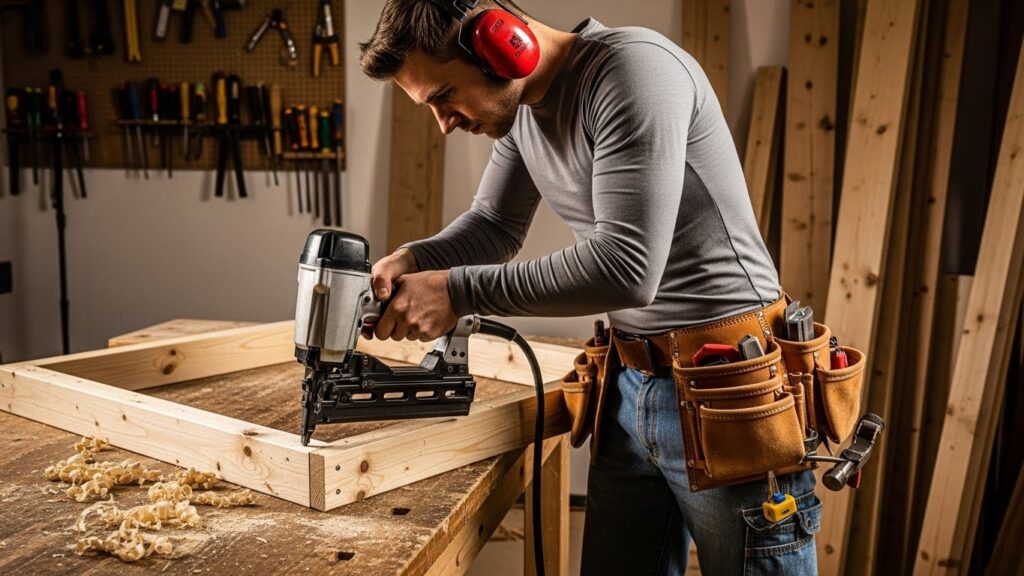
What Makes Ear Protection Important in Woodworking?
Woodworking tools aren’t just loud—many of them exceed safe exposure limits by a large margin. Noise over 85 dB can lead to gradual hearing damage, especially when exposure lasts more than 8 minutes. Some shop tools can even hit 120 dB, which is as loud as a jet engine.
Without proper protection, that noise can cause:
- Permanent hearing loss
- Tinnitus (constant ringing in the ears)
- Sound sensitivity
- Trouble focusing or sleeping
Just like you wear safety glasses to protect your eyes, hearing protection isn’t optional — it’s essential.
Types of Ear Protection for Woodworking
Different woodworkers prefer different styles. Let’s break down the most common options and what makes each useful.
1. Foam Earplugs
Foam earplugs are lightweight, affordable, and surprisingly effective. When inserted properly, they expand inside the ear canal to block a significant amount of sound.
Pros:
- High Noise Reduction Rating (NRR) (up to 33 dB)
- Inexpensive
- Good for occasional or backup use
Cons:
- Can be uncomfortable for long sessions
- Single-use types produce waste
- Requires proper technique to insert
Foam plugs are great if you’re just starting or need temporary protection.
2. Reusable Silicone Earplugs
Silicone plugs are softer, washable, and molded to fit the ear. They offer solid protection and last longer than foam.
Pros:
- More durable
- Comfortable for extended use
- Adjustable and reusable
Cons:
- Slightly lower NRR than foam plugs
- May not fit all ear shapes perfectly
These are ideal if you want reusable, eco-friendly protection.
3. Earmuffs
Earmuffs sit over the ears rather than inside them. They provide excellent protection and are easy to put on and remove—great for workshops where tools are constantly switching on and off.
Pros:
- Easy to use
- High protection (NRR up to 31 dB)
- Fits all ear shapes
Cons:
- Can get warm during long sessions
- Bulkier than plugs
These are a favorite among professional woodworkers.
4. Electronic Noise-Canceling Earmuffs
These advanced earmuffs use smart sensors to detect harmful noise and suppress it instantly—while still allowing safe frequencies like conversation or machine alerts.
Some even include Bluetooth audio, so you can listen to music or take calls while working (without compromising safety).
Pros:
- Best combination of awareness and protection
- Adjustable sound control
- Comfortable and feature-rich
Cons:
- More expensive than other types
- Requires batteries or charging
If you’re serious about woodworking, this is the premium choice.
How to Choose the Best Ear Protection for Woodworking?
Not all hearing protection is created equal. Here’s what matters most:
✔ Noise Reduction Rating (NRR)
Always look at the NRR number. Higher means better protection. For woodworking, aim for:
Minimum recommended: 22–25 dB Ideal: 28–33 dB
✔ Comfort & Fit
If it hurts to wear, you won’t use it—and unused protection protects nothing.
Test:
- Cushion softness (earmuffs)
- Seal quality
- Weight and adjustability
- Ear canal comfort (earplugs)
✔ Durability & Material
Workshop ear protection should withstand:
- Sweat
- Dust
- Repeated wear
Look for stainless steel bands, strong plastic frames, and hypoallergenic materials.
✔ Extra Features
Optional—but useful:
- Bluetooth connectivity
- Built-in microphones
- Foldable design
- Ventilation pads
Top 5 Recommended Ear Protection For Woodworking
Here are some popular categories based on needs:
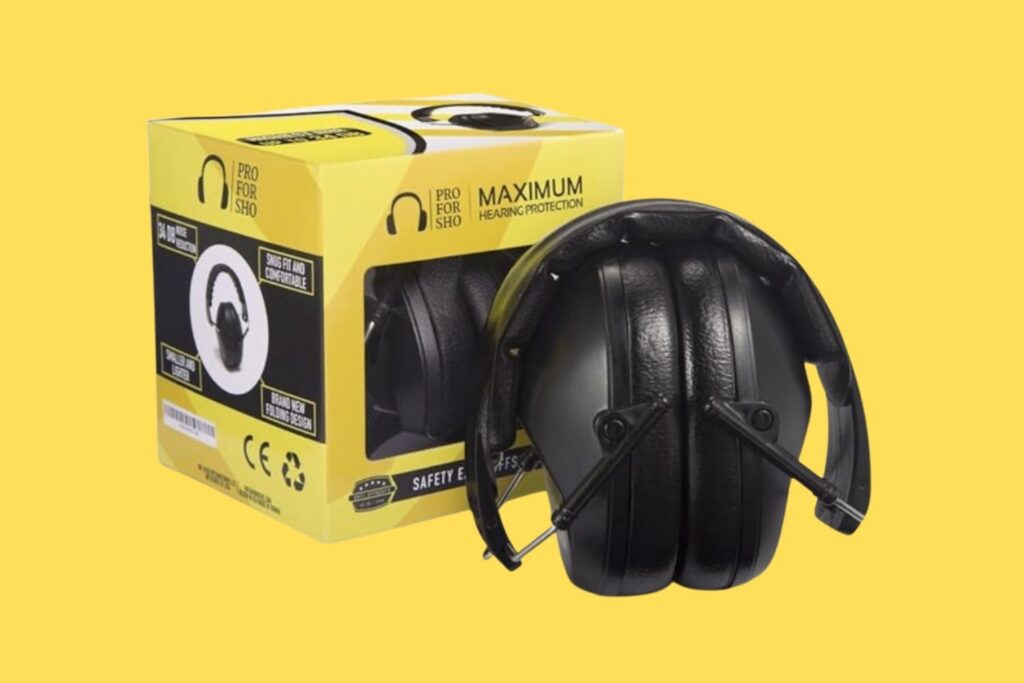
1. Best for Noise Blocking: Pro For Sho 34dB NRR Hearing Protection Ear Muffs
The Pro For Sho 34dB NRR Hearing Protection Ear Muffs are passive earmuffs engineered for maximum noise attenuation in a compact, foldable design. With one of the highest NRR ratings (34 dB) among consumer ear defenders, these muffs reduce very loud sounds from power tools, machinery, or outdoor activities while remaining lightweight and easy to carry. Their slim profile and adjustable padded headband help maintain comfort across long woodworking sessions.
Benefits:
- Extremely high noise reduction (34 dB NRR) — excellent for loud woodworking tools.
- Slim and lightweight design makes them less bulky than traditional industrial earmuffs.
- Foldable for easy portability and storage.
- Comfortable padded headband fits various head sizes.
Limitations:
- Limited color/style choices compared with some competitors.
- Slightly more expensive than basic earmuff options.
Best For:
Woodworkers seeking maximum passive noise blocking in a comfortable, portable design — ideal for workshops with heavy power tools or frequent loud operations.
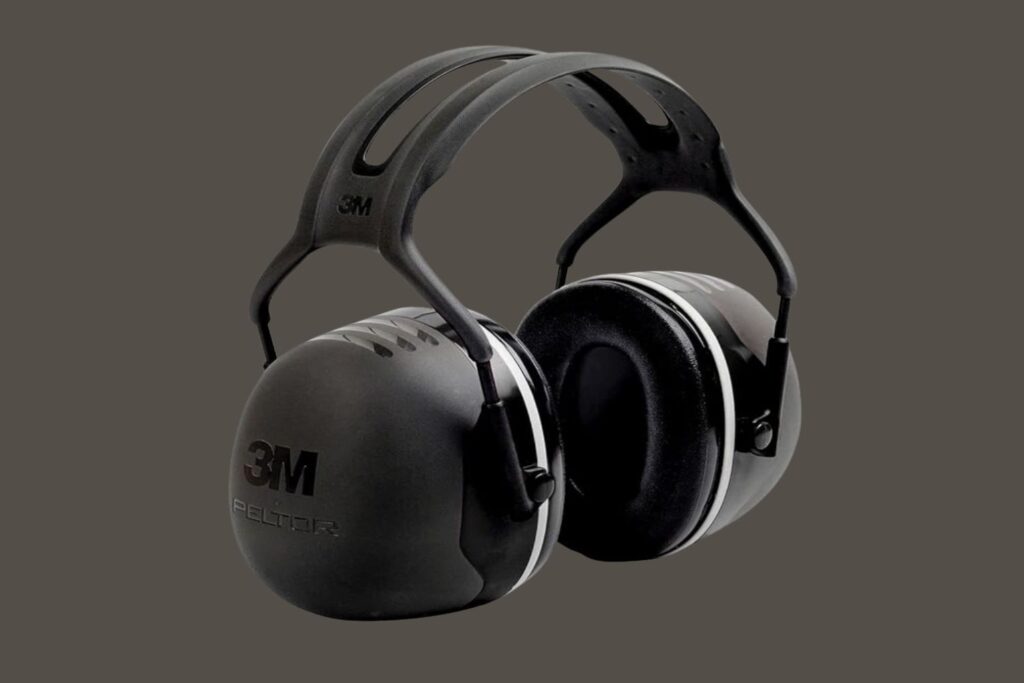
2. Best for Heavy-Duty Woodshop: 3M Peltor X5 Over-the-Head Ear Muffs
The 3M Peltor X5A Over-the-Head Ear Muffs deliver high performance hearing protection (NRR 31 dB) for environments with extremely loud noise, such as cabinet saws, jointers, and planers. Designed by a trusted industrial safety brand, these earmuffs use specialized foam and acoustically engineered earcups to significantly reduce hazardous sound exposure. Pivoting earcups and high-density foam combine to balance attenuation with long-wear comfort.
Benefits:
- High noise attenuation (31 dB NRR) suitable for very loud tools and machinery.
- Durable construction with replaceable ear cushions, extending product lifespan.
- Adjustable earcup pivot points help improve comfort and seal.
Limitations:
- Slightly heavier and bulkier than more portable designs.
- May feel less comfortable during very long wear without breaks. Shared user discussions highlight that extended use can sometimes feel snug.
Best For:
Woodworkers with consistently high noise exposure from heavy-duty tools and industrial workshop setups — those who want robust attenuation over many hours of continuous use.
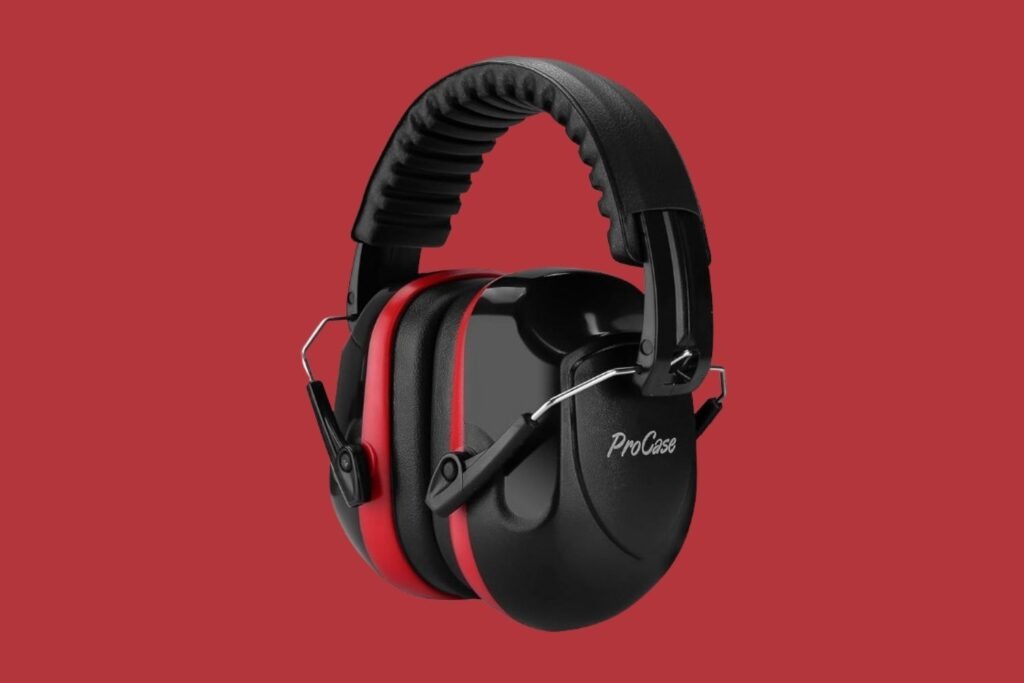
3. Best for Everyday Use: ProCase Noise Reduction Ear Muffs
The ProCase Noise Reduction Ear Muffs offer a balance of everyday comfort and effective noise reduction (~28 dB NRR), making them suitable for general woodworking, yard work, and other moderately loud settings. With soft padded ear cushions and an adjustable headband, these earmuffs provide reliable hearing protection without a premium price tag.
Benefits:
- Good mid-range noise reduction (~28 dB NRR) effective for most woodworking tasks.
- Comfortable padding and adjustable fit support extended use.
- Affordable and durable enough for hobbyist and casual woodworkers.
- Suitable for all age people as the ear cups can be rotate at 360 degree direction.
Cons:
- Lower NRR than premium models, so less suited for extremely loud continuous noise.
- May not fit over hearing aids or multiple layers comfortably for some users.
Best For:
Woodworkers who want a comfortable, budget-friendly pair of earmuffs for typical shop noise and occasional loud tool use.
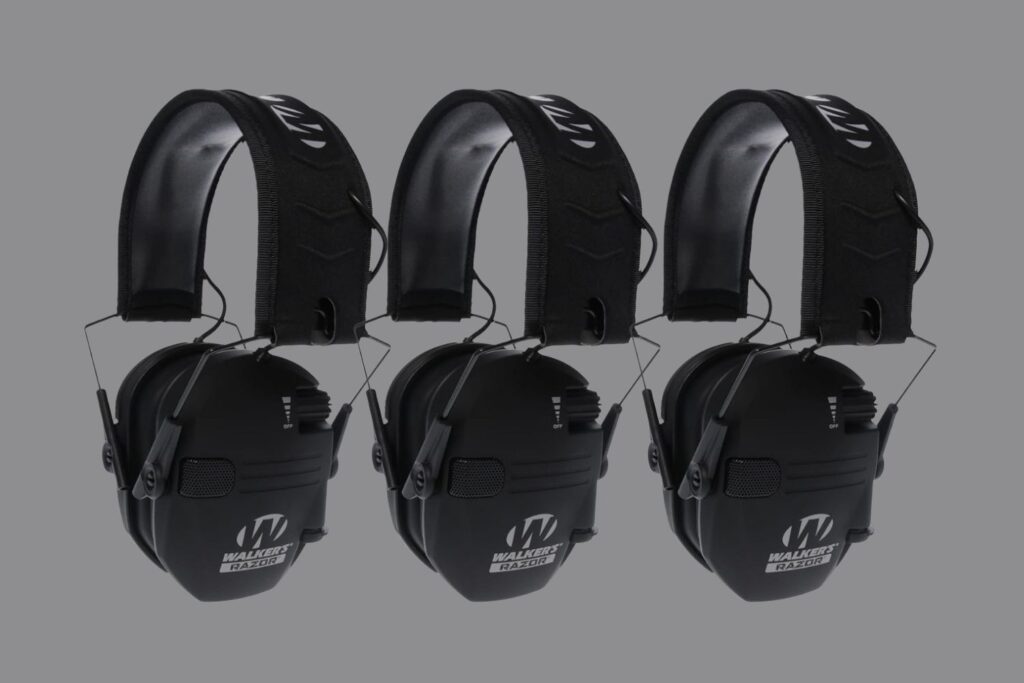
4. Walker’s Razor Slim Ultra Low Profile Electronic Earmuffs
The Walker’s Razor Slim Electronic Earmuffs are ultra-low-profile, electronic hearing protectors designed to reduce harmful noise while amplifying safe ambient sounds. Featuring hi-gain omnidirectional microphones and dynamic-range HD speakers, these muffs help you hear conversations and quieter workshop sounds without sacrificing protection from loud decibel spikes. They fold compactly for storage and run on two AAA batteries (included). NRR: ~23 dB, with quick-acting sound-activated compression to protect hearing.
Benefits:
- Balanced Hearing Protection: Blocks harmful high noise while still letting you hear speech and workshop sounds.
- Comfortable & Compact: Ultra low-profile ear cups and cushioned headband make them comfortable for extended wear; slim foldable design aids portability.
- Sound Amplification & Clarity: Two high-gain microphones and HD speakers provide clear, balanced audio for ambient listening.
- Audio Input Jack: 3.5 mm input allows music or audio playback through the earmuffs if desired.
- Good Value: Generally affordable compared with premium electronic models, offering decent protection and features for the price.
Limitations:
- Moderate Noise Reduction: At ~23 dB NRR, these provide less attenuation than higher-rated passive earmuffs, which may make them less ideal for very loud woodworking tools unless used with earplugs underneath.
- Battery-Powered (AAA): Requires two AAA batteries; no rechargeable option built in.
- Limited Directional Audio: Some users note that without stereo or advanced audio processing, sound direction awareness may be limited, which is less relevant in woodworking but worth noting.
- Fit Variability: One-size-fits-most design may feel tight or loose depending on head size, potentially affecting comfort over long use.
Best For
- Woodworkers who want situational awareness: Ideal if you value hearing conversations, machine alerts, or ambient sounds while still protecting your hearing from loud tool noise.
- Light-to-moderate workshop noise: Suitable for hobbyists or woodworkers whose primary tools aren’t constantly at extreme decibel levels.
- Users who want electronic features at an affordable price: Good entry-level electronic earmuff option with sound amplification.
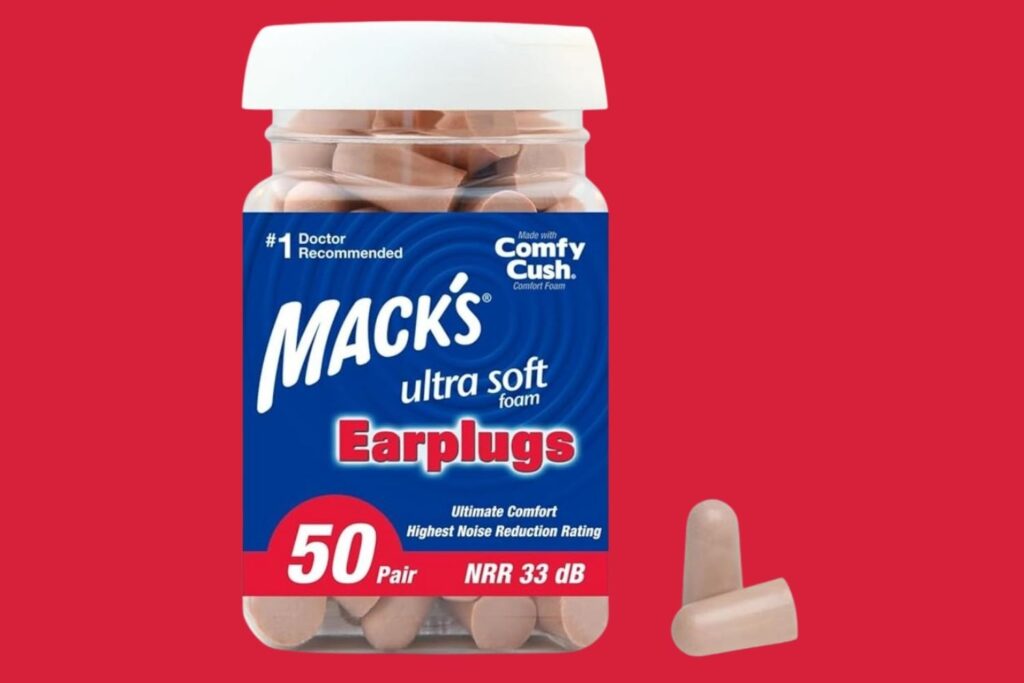
5. Best Budget-Friendly: Mack’s Ultra Soft Foam Earplugs
Classic disposable foam plugs with high noise reduction — ideal as standalone protection or paired with earmuffs for extra attenuation. Mack’s Ultra Soft Foam Earplugs are classic disposable foam plugs with an impressive 33 dB NRR, offering very high noise blocking in an inexpensive, compact format. Made of super low-pressure foam, they are comfortable for extended wear and versatile for workshop tasks, concerts, studying, travel, and sleep. Easy to insert and replace, these plugs are a practical budget option for hearing protection.
Benefits:
- High noise blocking (33 dB NRR) rivals some earmuffs.
- Very affordable and widely available.
- Comfortable soft foam for long sessions.
Limitations:
- Disposable design requires frequent replacement.
- Requires proper insertion technique for full protection — incorrect fit reduces effectiveness noticeably.
Best For:
Budget-conscious woodworkers, those seeking backup protection, or anyone planning to layer plugs under earmuffs for extra attenuation on very loud tools.
Comparison Spreadsheet – Ear Protection for Woodworking
| Rank | Product | Type | Approx. NRR | Best For | Short Description | Pros | Cons |
|---|---|---|---|---|---|---|---|
| 1 | Pro For Sho 34dB NRR Hearing Protection Ear Muffs | Passive Earmuffs | 34 dB | Maximum noise blocking | High NRR earmuffs that provide some of the highest passive protection available for woodworking and loud shop tools. Comfortable, foldable and suitable for prolonged use. | • Extremely high noise reduction • Low-profile, lightweight • Good for long sessions | • Can feel tight on larger heads • Padding may warm ears over time |
| 2 | 3M Peltor X5 Over-the-Head Ear Muffs | Passive Earmuffs | ~30–31 dB | Heavy-duty woodshop environments | Adjustable, comfortable earmuffs from a trusted safety brand, well- suited for continuous power tool noise. Excellent balance of comfort and protection. | • Strong attenuation • Adjustable, durable design • Trusted safety brand | • Slightly bulkier than low-profile models |
| 3 | ProCase Noise Reduction Ear Muffs | Passive Earmuffs | ~28 dB | Everyday shop use | Comfortable, foldable earmuffs with good protection and portability — ideal for most woodworking sessions. | • Comfortable padded cups • Foldable design • Great everyday value | • Not the highest NRR • May be tight for larger heads |
| 4 | Walker’s Razor Slim Ultra Low Profile | Electronic Earmuffs | ~23 dB | Situational awareness & communication | Electronic hearing protection that suppresses harmful noise while letting safer sounds through. Featuring hi-gain omnidirectional microphones and dynamic-range HD speakers. | • Amplifies safe sounds/voice • Comfortable and foldable • Adds audio features | • Lower NRR than top passive models • Needs battery power |
| 5 | Mack’s Ultra Soft Foam Earplugs | Disposable Earplugs | 33 dB | Budget or layering option | Soft foam plugs with among the highest NRR for simple hearing protection; can be used alone or under earmuffs for extra attenuation. | • Very high NRR • Extremely affordable • Great as backup or layered protection | • Disposable • Ears may sweat after long use |
Why these products are ranked this way:
Noise Reduction (NRR) Priority:
For woodworking, higher NRR is crucial because many power tools exceed ~90 dB consistently. Products with ~30 dB or more provide significantly better protection.
Passive Over Electronic for Critical Protection:
Passive earmuffs (non-electronic) with very high NRR should be your go-to for maximum noise blockage. Electronic models add convenience but usually have lower NRR (good for awareness/communication).
Comfort & Practical Workshop Use:
Comfort determines how consistently you’ll actually wear the protection during long woodworking sessions. Foldable, padded, and adjustable designs are preferable for regular use.
Pick based on your primary need:
Maximum safety (near industrial noise levels or extended power tool use):
Choose Pro For Sho 34dB or 3M Peltor X-Series earmuffs.
Balanced daily use (moderate–high noise):
ProCase offers comfort and good protection at reasonable price.
Need to hear voices or music while protected:
Walker’s Razor Slim Ultra Low Profile Electronic models are best.
Backup or layering option:
Mack’s Foam Earplugs are ideal either on their own or under earmuffs for extra dampening.
Proper Use, Cleaning & Care Tips
Incorrect handling can reduce protection by 50% or more. Follow these tips:
Tips for Effective Hearing Protection in Woodworking
- Layer protection when necessary: Wearing earplugs under earmuffs increases total effective attenuation (productive for extremely loud equipment).
Reddit - Ensure proper fit: Even top-rated protection performs poorly if fitted incorrectly. Take time to adjust headbands or earplug insertion.
Reddit - Replace consumables appropriately: Foam plugs and earmuff cushions wear with time — replace as needed.
How to Insert Foam Earplugs Correctly
- Roll the plug tightly between fingers.
- Reach over your head and pull your ear upward.
- Insert gently and hold until it expands.
Cleaning & Storage Tips
- Store in a clean, airtight container
- Wash reusable plugs with warm soapy water
- Wipe earmuffs weekly
- Replace foam plugs after each session
When to Replace
Replace if:
- Cushion cracks
- Foam no longer expands
- Headband loosens
- The plug material feels rough or dirty
Common Mistakes to Avoid
❌ Wearing plugs halfway
❌ Not checking seal
❌ Mixing earplugs and earmuffs improperly
❌ Thinking “It’s just a quick cut — I don’t need protection”
Even one unprotected session can permanently damage hearing.
Is 25 dB noise cancellation better than 35 dB?
Short answer: No — 25 dB noise reduction is not better than 35 dB.
When it comes to hearing protection, higher dB reduction is better.
Let’s break it down clearly and practically
Imagine a woodworking tool producing 100 dB of noise:
- With 25 dB protection → ~75 dB reaches your ears
- With 35 dB protection → ~65 dB reaches your ears
That 10 dB difference is huge.
On the decibel scale, every 10 dB increase roughly doubles perceived loudness. So 35 dB protection can feel almost half as loud compared to 25 dB protection.
So Why Would Anyone Choose 25 dB Over 35 dB?
Because higher noise reduction isn’t always the best choice for every situation.
Here’s why:
✔️ Situations Where 25 dB Is Better
- You need to hear conversations or machine cues
- You’re using electronic earmuffs (most cap out around 22–25 dB)
- Noise levels are moderate, not extreme
- Comfort and awareness matter more than maximum blocking
✔️ Situations Where 35 dB Is Better
- Very loud tools (table saws, planers, routers)
- Long woodworking sessions
- You want maximum hearing protection
- You don’t need to hear surroundings clearly
So, 35 dB noise reduction is objectively better at blocking sound than 25 dB, but “better” doesn’t always mean “right for every job.”
For woodworking safety, choose the highest dB rating you can comfortably wear consistently. Protection only works if you actually use it.
Which is better, SNR or NRR?
Neither is “better” by itself — SNR and NRR measure the same thing but use different standards.
- NRR (Noise Reduction Rating) → Used mainly in the USA
- SNR (Single Number Rating) → Used mainly in Europe
Key point:
For the same product, SNR is usually 2–4 dB higher than NRR, but that doesn’t mean it protects better — it’s just calculated differently.
Quick takeaway:
- Buying in the USA → rely on NRR
- Buying in Europe → rely on SNR
- To compare roughly: SNR ≈ NRR + 2 to 4 dB
So, neither is better — just use the rating standard that matches your region.
Conclusion
Protecting your ears isn’t optional—it’s essential. The best ear protection for woodworking isn’t just about comfort; it’s about preventing lifelong damage. Whether you choose foam plugs, earmuffs, or high-tech noise-canceling headsets, the goal is the same: preserve your hearing while staying productive and safe in your workspace.
Besides keep safe your ears, it is equally important to protect your lung to live long. So, don’t forgot to wear dust mask during woodworking.
So next time you walk into your wood shop, make hearing protection a habit—just like safety glasses or dust masks.
FAQs
1. Is ear protection really necessary for woodworking?
Yes. Woodworking tools commonly exceed safe noise limits, and long-term exposure can cause irreversible hearing loss.
2. What NRR rating should I look for?
Aim for 28–33 dB for the best protection.
3. Are electronic earmuffs safe?
Absolutely. They block harmful sounds while letting you hear conversations and machine alerts.
4. Can I use earbuds instead of ear protection?
No. Earbuds do not block enough noise and can make hearing damage worse.
5. Which is better: earplugs or earmuffs?
Both work well. Use earplugs for short sessions or backup, and earmuffs for long work or maximum protection.
Recent Posts
Woodworking is one of the most rewarding hobbies and professions, but it also comes with serious risks if proper precautions are not taken. Whether you're working with a table saw, planer, or simple...
What to Use If You Don't Have a Brad Nailer: Handy Alternatives
You can use a hammer and finishing nails paring with nail set or wood glue if you don't have a Brad Nailer. These tools effectively secure trim and small woodworking projects. So, if you’re in...