

Learning how to stay safe in a woodworking shop is not optional—it’s fundamental. Woodworking combines sharp tools, fast-moving blades, heavy materials, and fine dust, all of which create a high-risk environment if safety is ignored. However, the good news is this: most woodworking injuries are preventable with the right mindset, gear, and habits.
Whether you’re a weekend hobbyist or a professional craftsperson, safety should always come first. This article delivers practical, experience-based guidance rooted in real-world shop practices. You’ll learn how to identify hazards, organize your workspace, important woodworking safety equipment, how to use it correctly, and develop routines that keep you productive and injury-free.
Throughout this guide, we’ll revisit how to stay safe in a woodworking shop using woodworking safety gear, practical examples, and proven safety principles that align with industry standards and expert recommendations.
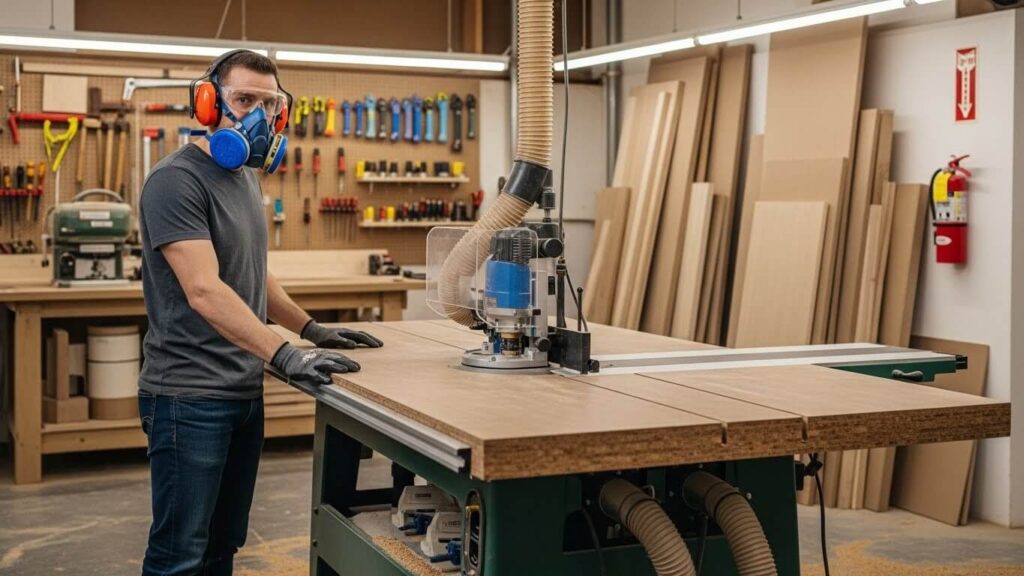
Understanding the Risks in a Woodworking Shop
Common Types of Woodworking Injuries
Woodworking injuries range from minor cuts to severe, life-altering accidents. The most common include:
- Lacerations from saw blades and chisels
- Eye injuries from flying debris
- Hearing loss from prolonged noise exposure
- Respiratory issues caused by wood dust
- Hand or foot injury from speedy nails
- Burns and fires from electrical faults or sparks
These risks increase when tools are misused, guards are removed, or focus slips. Knowing what can go wrong is the first step in preventing it.
Why Most Accidents Are Preventable
Statistics consistently show that shop accidents usually result from human error, not tool failure. Rushing, fatigue, improper setup, not wearing woodworking safety gear, and lack of training are the usual culprits. When woodworkers commit to learning how to stay safe in a woodworking shop, they dramatically reduce their risk.
Safety isn’t about fear—it’s about control. Controlled movements, controlled environments, wearing PPE, and controlled decisions keep accidents at bay.
Setting Up a Safe Woodworking Shop
Proper Shop Layout and Workflow
A safe shop starts with smart design. Tools should be arranged to support a logical workflow—from rough cutting to finishing—without forcing you to cross paths or carry materials awkwardly.
Key layout principles include:
- Clear walkways with no tripping hazards
- Adequate space around stationary machines
- Dedicated zones for cutting, assembly, and finishing
A good layout reduces rushed movements and awkward positions, both of which cause injuries.
Lighting, Ventilation, and Cleanliness
Poor lighting leads to mistakes. Shadows hide blade positions and measurement marks. Bright, even lighting over all work surfaces is essential.
Ventilation matters just as much. Fine wood dust can linger in the air and damage your lungs over time. A dust collection system or air filtration unit significantly improves air quality. According to OSHA guidance on woodworking safety, controlling dust exposure is critical for long-term health.
Electrical Safety Basics
Faulty wiring and overloaded outlets are hidden dangers. Always:
- Use grounded outlets
- Avoid extension cord overloads
- Keep cords away from cutting paths
- Inspect plugs and cables regularly
Electricity and sawdust are a dangerous mix, so vigilance is non-negotiable.
Why Woodworking Safety Gear Is Essential
According to safety studies, most woodworking injuries happen due to:
- Lack of personal protective equipment (PPE)
- Improper use of tools
- Exposure to dust and noise
- Loose clothing or poor visibility
Using the right woodworking safety gear dramatically reduces the risk of injuries such as cuts, eye damage, hearing loss, and respiratory problems.
Personal Protective Equipment (PPE) Essentials
1. Eye and Face Protection
Eye protection is mandatory. Safety glasses or goggles should be worn at all times, even during brief tasks. Face shields provide extra protection when turning wood or routing.
A split second is all it takes for debris to cause permanent damage.
Best practices:
- Use ANSI Z87.1-rated safety glasses
- Choose goggles for dusty operations like sanding
- Wear full-face shields when using lathes or grinders.
2. Hearing Protection
Many woodworking machines exceed safe noise levels, such as table saws, routers, and planers. Prolonged exposure can cause irreversible hearing loss. Hearing protection gear like earplugs or earmuffs with appropriate NRR ratings should be standard equipment.
If you’re serious about how to stay safe in a woodworking shop, protecting your hearing is part of the deal.
Recommended hearing protection:
- Earplugs for light tool use
- Earmuffs for prolonged exposure
- Noise Reduction Rating (NRR) of 22+ dB
3. Respiratory Protection (Dust Masks & Respirators)
Wood dust is not just a nuisance—it’s a serious health hazard. Some hardwood dusts are toxic and can cause long-term respiratory problems.
Dust masks or respirators protect against fine particles that sanding and cutting produce. Hardwood dust, in particular, has been linked to respiratory diseases.
Choose a mask rated for fine particulate filtration, especially during sanding or milling.
Use the right protection:
- N95 dust masks for light sanding
- Half-face or full-face respirators for heavy cutting
- Use P100 filters for maximum protection
4. Hand and Body Safety Gear
Avoid loose clothing, jewelry, or gloves near spinning machinery. Wear non-slip footwear and fitted clothing to prevent entanglement.
i. Gloves (Use With Caution)
Gloves protect your hands from splinters and rough materials, but they can be dangerous around spinning blades.
When to wear gloves:
- Handling raw lumber
- Applying finishes
- Cleaning the shop
When NOT to wear gloves:
- Using table saws, drills, or lathes
ii. Proper Footwear (Safety Shoes)
Dropped tools and sharp offcuts can cause serious foot injuries.
Best footwear options:
- Steel-toe or composite-toe boots
- Slip-resistant soles
- Closed-toe shoes only
iii. Protective Clothing and Aprons
Loose clothing can get caught in machinery. Proper shop clothing improves both safety and comfort.
Clothing safety tips:
- Wear fitted clothes
- Avoid long sleeves near machines
- Use a woodworking apron with tool pockets
- Tie back long hair
Additional Woodworking Shop Safety Equipment
Beyond personal gear, these safety tools improve shop safety:
- Push sticks and push blocks
- Featherboards
- Blade guards
- Emergency stop switches
- Fire extinguisher (Class A & B)
These accessories work together with woodworking safety gear to prevent accidents.
Tool Safety Fundamentals
Hand Tool Safety Best Practices
Hand tools may seem harmless, but misuse causes serious injuries. Always:
- Keep tools sharp to reduce slippage
- Cut away from your body
- Secure workpieces with clamps
Dull tools require more force, which increases the chance of losing control.
Power Tool Safety Guidelines
Power tools demand respect. Before use:
- Read the manufacturer’s instructions
- Check guards and safety features
- Ensure blades and bits are properly installed
Never disable safety mechanisms for convenience.
Table Saw Safety Rules
Table saws are among the most dangerous shop tools. Essential rules include:
- Use a riving knife or splitter
- Keep hands clear of the blade path
- Never freehand cuts
- Stand slightly to the side to avoid kickback
Push sticks and featherboards aren’t optional—they’re lifesavers.
Router and Jointer Safety
Routers spin at extremely high speeds. Always feed stock against the cutter’s rotation and use fences whenever possible. Jointers require proper guard use and shallow passes.
Respecting feed direction and depth limits is central to how to stay safe in a woodworking shop.
Safe Work Habits and Procedures
Focus, Fatigue, and Distraction Management
Many accidents happen at the end of a long day. Fatigue reduces reaction time and judgment. If you’re tired, stop. The project can wait.
Avoid distractions such as phones, loud music, or conversations while operating machinery. Full attention is a safety tool in itself.
Measuring, Marking, and Cutting Safely
The saying “measure twice, cut once” exists for a reason. Rushed measurements lead to mistakes, rework, and unsafe corrective cuts.
Use marking knives instead of pencils when precision matters. Secure your material before cutting, and never hold small pieces by hand near blades.
Follow Woodworking Safety Rules
- Always wear appropriate safety gear
- Keep your workspace clean and well-lit
- Never disable safety features on tools
- Read tool manuals before use
- Stay focused—avoid distractions
- Inspect safety gear regularly for damage.
- Unplug tools before maintenance.
Fire Prevention and Emergency Preparedness
Fire Hazards in Woodworking Shops
Sawdust is highly flammable. Combined with sparks from motors or static electricity, it becomes a fire risk.
Prevent fires by:
- Regularly cleaning dust buildup
- Storing finishes and solvents in sealed containers
- Keeping fire extinguishers accessible
A Class A fire extinguisher is essential in any shop.
Emergency Plans and First Aid
Every shop should have a basic emergency plan. This includes:
- First aid kit with bandages and antiseptic
- Clear access to exits
- Emergency contact numbers posted
Knowing how to respond calmly is part of learning how to stay safe in a woodworking shop.
Training, Maintenance, and Continuous Improvement
Tool Maintenance and Inspection
Well-maintained tools are safer and more accurate. Inspect blades, fences, and guards regularly. Replace damaged components immediately.
Maintenance isn’t busywork—it’s preventive safety.
Learning from Mistakes and Near Misses
Near misses are warnings. Take them seriously. Analyze what went wrong and adjust your process.
Continuous improvement is a hallmark of experienced woodworkers who value long-term safety over short-term speed.
Frequently Asked Questions (FAQs)
Why is woodworking shop safety so important?
Because woodworking involves sharp tools, fast-moving machinery, and airborne hazards. Ignoring safety can result in permanent injuries.
What is the most important woodworking safety gear?
Eye protection is the most significant, followed closely by hearing and respiratory protection.
What is the most dangerous tool in a woodworking shop?
Table saws are statistically responsible for many serious injuries due to kickback and blade contact.
Do I really need PPE for small projects?
Yes. Accidents don’t scale with project size. PPE protects you during unexpected events.
Do I really need a respirator for woodworking?
Yes. Prolonged exposure to wood dust can cause serious lung issues, especially with hardwoods.
Are gloves safe to wear while woodworking?
Gloves are safe for handling materials but should never be worn near spinning tools.
What shoes should I wear in a woodworking shop?
Steel-toe or composite-toe safety shoes with non-slip soles are ideal.
How can beginners learn how to stay safe in a woodworking shop?
By starting with proper training, reading manuals, using guards, and working slowly until skills improve.
How often should tools be inspected?
Before each use for critical components, and on a regular schedule for overall maintenance.
How often should I replace woodworking safety gear?
Replace gear when it shows wear, damage, or reduced effectiveness. Filters and masks should be replaced regularly.
Conclusion
Understanding how to stay safe in a woodworking shop is about building habits, not memorizing rules. Safety comes from preparation, awareness, and respect for your tools and environment. When you invest in proper setup, protective equipment, and disciplined work habits, you protect not just your projects—but your future as a woodworker.
Woodworking should be rewarding, creative, and enjoyable. With the right safety mindset, it can be all of those things—without unnecessary risk.
Recent Posts
Woodworking is one of the most rewarding hobbies and professions, but it also comes with serious risks if proper precautions are not taken. Whether you're working with a table saw, planer, or simple...
What to Use If You Don't Have a Brad Nailer: Handy Alternatives
You can use a hammer and finishing nails paring with nail set or wood glue if you don't have a Brad Nailer. These tools effectively secure trim and small woodworking projects. So, if you’re in...