
Woodworking is rewarding, creative, and therapeutic—but it also exposes you to wood dust, fine particles, and harmful airborne contaminants that can seriously affect your health. If you’ve ever asked, “Is a dust mask enough for woodworking?” or “Do I really need a respirator?” you’re not alone.
This guide breaks down dust mask vs respirator for woodworking in simple terms, helping you choose the right respiratory protection for your workshop—whether you’re a DIY hobbyist or a professional woodworker.
Dust Mask vs Respirator for Woodworking: Quick Answer
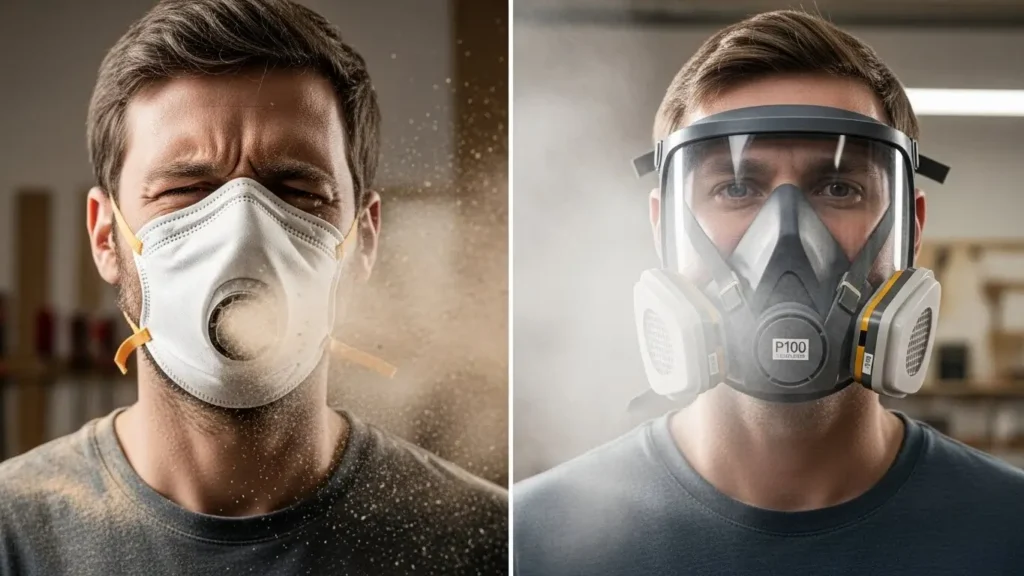
A respirator is better than a dust mask for woodworking because it provides airtight protection and filters fine wood dust that can damage your lungs.
Dust masks only block large particles and are not effective for long-term or heavy woodworking.
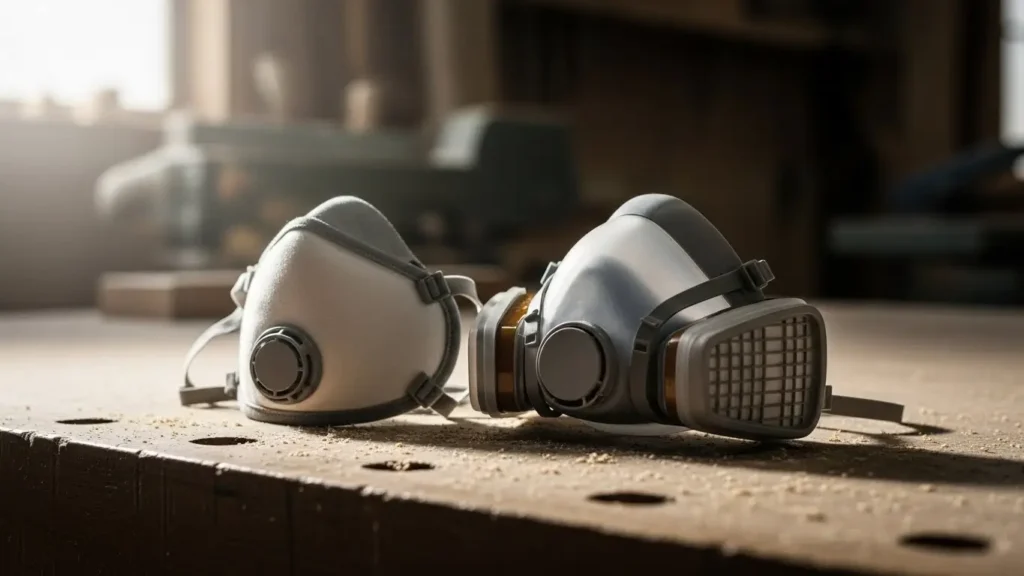
What Is the Difference Between a Dust Mask and a Respirator?
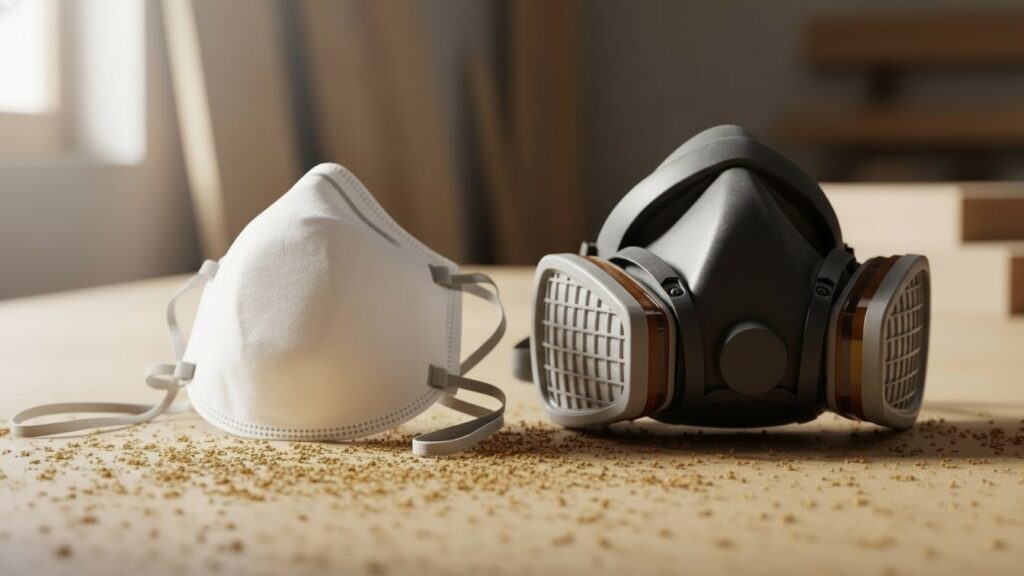
The main difference between a dust mask and a respirator is the level of protection.
- Dust masks protect against large dust particles
- Respirators protect against fine dust, toxic particles, and fumes
Why Wood Dust Is Dangerous?
Wood dust can cause lung disease, asthma, allergic reactions, and even cancer with long-term exposure. Fine dust particles are especially dangerous because they stay airborne and can reach deep into your lungs.
Health risks of wood dust exposure:
- Lung irritation and breathing problems
- Allergic reactions and asthma
- Long-term respiratory disease
- Increased cancer risk (especially hardwood dust)
According to safety experts, fine wood dust particles are small enough to reach deep into your lungs, where they can cause permanent damage.
That’s why choosing the right protection matters.
What Is a Dust Mask?
A dust mask is a lightweight, disposable, or reusable face covering designed to block large dust particles.
Key Features of Dust Masks
- Usually non-powered
- Made of paper or lightweight fabric
- Loose or semi-tight fit
- Covers nose and mouth
- Filters larger particles only
- Often labeled N95, P1, or basic dust mask
What Dust Masks Are Good For?
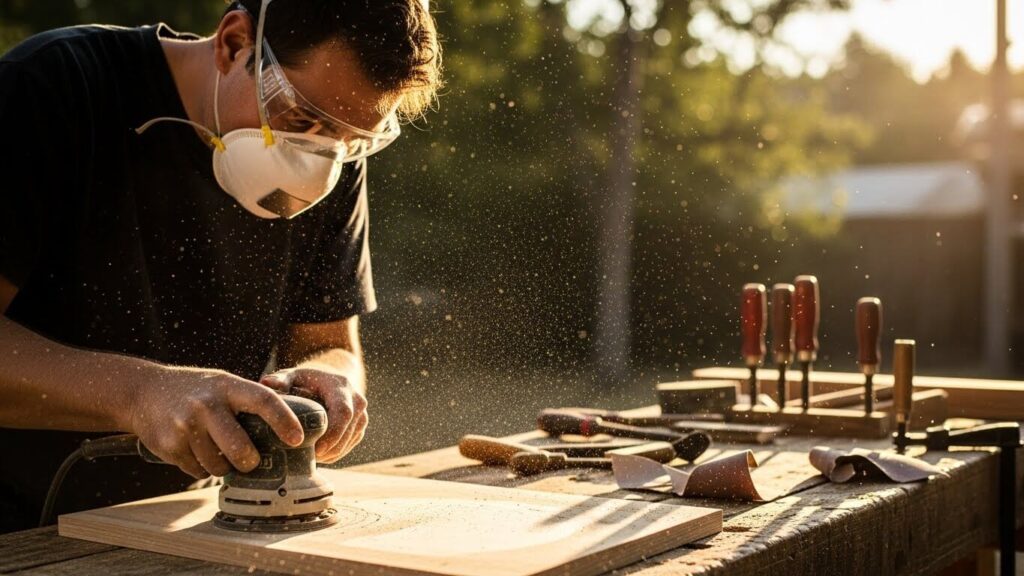
- Light sanding
- Sweeping sawdust
- Short woodworking tasks
- Non-toxic softwood projects
Benefits of Dust Masks
✔ Affordable
✔ Lightweight and comfortable
✔ Easy to wear for short tasks
Limitations of Dust Masks
✘ Not airtight and sealed to the face
✘ Poor protection against fine dust
✘ Not effective for chemicals or fumes
👉 Bottom line: Dust masks offer basic protection but are not ideal for serious woodworking.
What Is a Respirator?
A respirator is a professional-grade protective device designed to filter fine dust, toxic particles, and sometimes fumes.
Types of Respirators for Woodworking
- Half-face respirators
- Full-face respirators
- Powered Air-Purifying Respirators (PAPR)
Common Filter Ratings
- P100 / HEPA – Best for woodworking
- N95 / N99 – Moderate protection
- Organic vapor cartridges – For finishes & solvents
What Respirators Protect Against:
- Fine wood dust
- Hardwood dust
- Mold and spores
- Chemical finishes and solvents
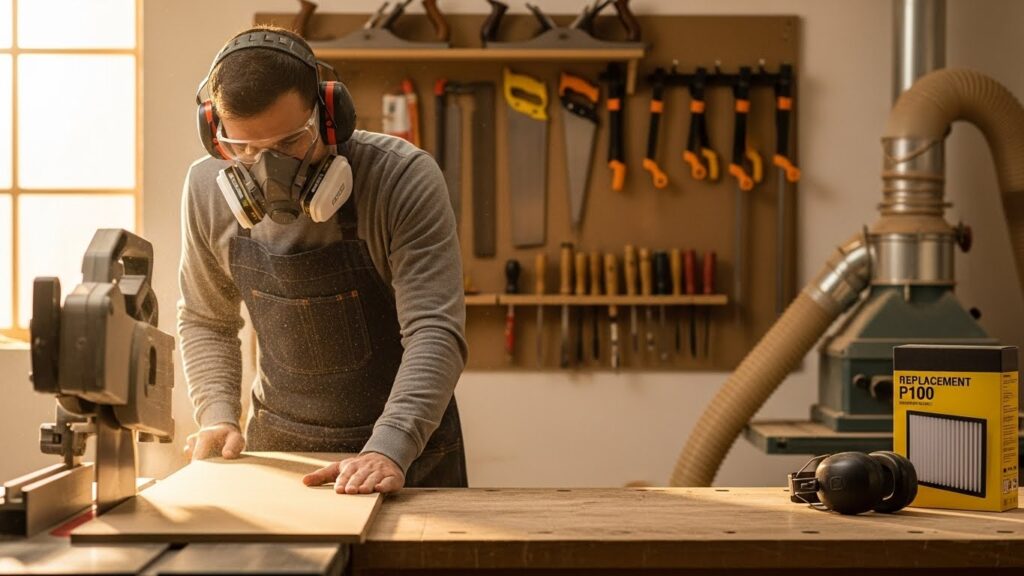
Benefits of Respirators
✔ Superior filtration (up to 99.97%)
✔ Tight face seal
✔ Replaceable filters
✔ Protects against fine dust and fumes
✔ Long-term lung protection
✔ Better airflow control
Limitations of Respirators
✘ More expensive
✘ Heavier and bulkier
✘ Requires maintenance
Dust Mask vs Respirator: Side-by-Side Comparison
| Feature | Dust Mask | Respirator |
|---|---|---|
| Protection Level | Low | High |
| Filters fine wood dust | No | Yes |
| Airtight Seal | No | Yes |
| Reusable | No | Yes |
| Protect from fumes | No | Yes |
| Suitable for Daily Woodworking | No | Yes |
| OSHA Recommended | No | Yes |
| Cost | Low | Medium to High |
| Best For | Light sanding | Cutting, routing, finishing |
| Long-Term Safety | No | Yes |
Which Is Better for Woodworking: Dust Mask or Respirator?
Quick Answer: A respirator is safer and strongly recommended for most woodworking tasks.
Use a Dust Mask If:
- You’re doing light sanding
- Short, occasional tasks (the work lasts less than 10 minutes)
- Working outdoors
- Budget is very limited
Use a Respirator If:
- You cut, sand, or rout wood regularly
- Work with MDF, plywood, or exotic woods
- Apply finishes, stains, or solvents
- Care about long-term lung health
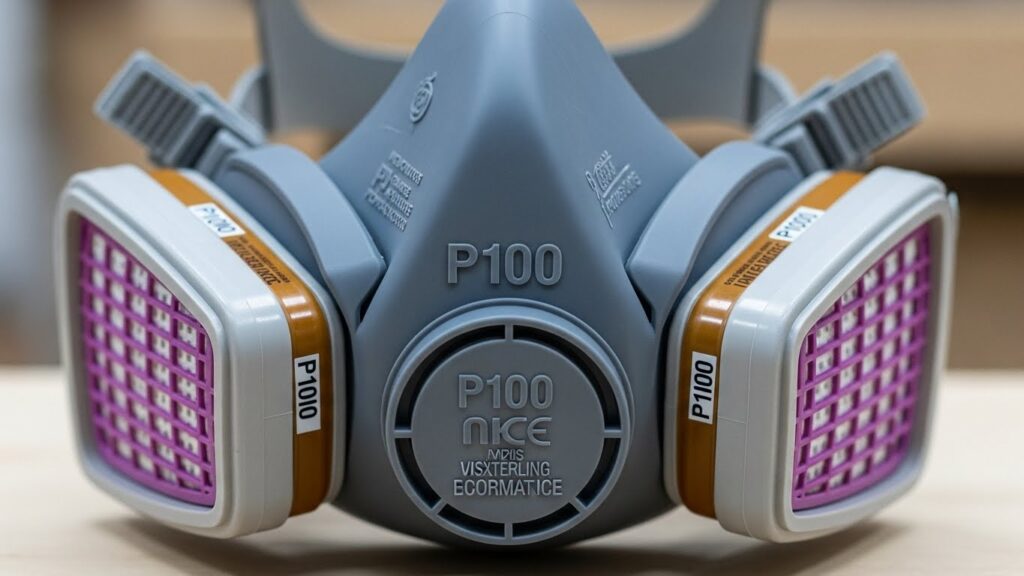
Besides the safety of your lungs, you should also take care of other organs during woodworking. Using some tools like a saw or router can create excessive noise, which may cause hearing loss. So, to protect your ear, it is essential to use the best ear protection system too.
Is a Dust Mask Enough for Woodworking?
No, a dust mask is not enough for woodworking if you sand, cut, or work with wood regularly.
Dust masks may be acceptable for light, short-term tasks but do not protect against fine airborne dust.
Is a Respirator Necessary for Woodworking?
Yes, a respirator is necessary for woodworking if you want proper lung protection.
It is especially important when working with:
- MDF or plywood
- Hardwood dust
- Power sanders
- Routers and table saws
- Stains, paints, or finishes
Is an N95 Mask Enough for Woodworking?
Quick Answer: An N95 mask is better than a basic dust mask but worse than a respirator.
An N95 can:
- Blocks about 95% of large particles
- Not sealed tightly
✔ OK for: light sanding
❌ Not enough for: fine dust, MDF, hardwoods, chemicals
Best choice: P100 respirator filter
Best Respirator Filters for Woodworking
The best respirator filter for woodworking is a P100 (HEPA) filter.
Why P100 filters are best:
- Filters 99.97% of fine particles
- Approved by NIOSH
- Effective against wood, MDF, and hardwood dust
Other Recommended Filters:
- Combination cartridges – Dust + chemical vapors
- Replaceable filters – Cost-effective long term
Avoid:
- Low-grade particulate filters
- Non-rated cartridges
Health Risks of Not Using Proper Protection
Without proper respiratory protection, woodworkers may experience:
- Chronic coughing
- Asthma
- Sinus infections
- Lung disease
- Nasal cancer (from hardwood dust)
- Long-term breathing issues
OSHA & Safety Recommendations
- OSHA considers wood dust a hazardous material
- Recommends NIOSH-approved respirators
- Especially critical when working with MDF or treated wood
Common Woodworking Mistakes to Avoid
- Using dust masks for heavy sanding
- Reusing disposable masks
- Ignoring filter replacement schedules
- Working without ventilation
How to Choose the Right Mask or Respirator?
Ask Yourself:
- How often do I woodwork?
- Do I sand or cut daily?
- Do I use finishes or chemicals?
- Is comfort or safety more important?
- 👉 If woodworking is a hobby, use at least an N95.
- 👉 If woodworking is frequent or professional, use a P100 respirator.
- 👉 When working with heavy dust or chemicals, use a full-face respirator.
Is a dust mask enough for woodworking?
No. A dust mask only offers minimal protection and does not block fine wood dust.
What is the best mask for woodworking dust?
A half-face respirator with P100 filters is the best option for woodworking.
Is MDF dust more dangerous than wood dust?
Yes. MDF contains adhesives and chemicals that make the dust more hazardous.
What’s better: N95 or respirator for woodworking?
A respirator is significantly better than an N95 dust mask for long-term safety.
Do Professional Woodworkers Use Respirators?
Yes, professional woodworkers use respirators, not dust masks.
Most workshops follow OSHA and NIOSH safety standards that recommend respirators for dust exposure.
FAQs – Dust Mask vs Respirator for Woodworking
Is wood dust really harmful?
Yes. Fine wood dust can permanently damage your lungs and increase cancer risk.
Can I reuse a dust mask?
Some can be reused briefly, but most disposable masks lose effectiveness quickly.
Do I need a respirator for sanding wood?
Yes, especially for fine sanding or power sanding.
Are respirators uncomfortable?
Modern respirators are adjustable, breathable, and much more comfortable than older models.
Is a full-face respirator necessary?
Only if you work with heavy dust or chemical fumes regularly.
Summary: Dust Mask vs Respirator for Woodworking
A respirator is the safest choice for woodworking because it protects against fine wood dust and harmful particles.
Dust masks offer limited protection and should only be used for short, light tasks.
In short:
- Dust masks offer basic, short-term protection
- Respirators provide maximum safety and long-term health protection
- Fine wood dust is dangerous and often invisible
- A P100 respirator is the best choice for serious woodworking
When in doubt, choose safety. Your lungs can’t be replaced.
Recent Posts
Woodworking is one of the most rewarding hobbies and professions, but it also comes with serious risks if proper precautions are not taken. Whether you're working with a table saw, planer, or simple...
What to Use If You Don't Have a Brad Nailer: Handy Alternatives
You can use a hammer and finishing nails paring with nail set or wood glue if you don't have a Brad Nailer. These tools effectively secure trim and small woodworking projects. So, if you’re in...